

Bridgerton Regency Revival:
Modern Takes on Period Elegance

The 'ton' is back, and with it comes a renewed obsession with Regency-era grandeur. As Bridgerton continues to dominate our screens and social feeds, the show's sumptuous interiors have sparked a design movement that's filtering into real homes across the UK. But how do you capture that Jane Austen-meets-high-society glamour without your home looking like a National Trust property?
The secret lies in understanding what makes Regency design so enduring, then translating those principles through contemporary materials. Enter: modern porcelain tiles that deliver period elegance with 21st-century practicality.
The Bridgerton Aesthetic: What Makes It Work
The interiors in Bridgerton aren't historically accurate replicas they're heightened, romanticised versions of Regency style. Think bold colour saturation, geometric floor patterns, ornate mouldings, and an unapologetic mix of opulence and restraint. The Featherington drawing room bursts with vibrant yellows and greens, while the Bridgerton family home favours elegant blues and whites with classical symmetry.
What ties these spaces together is a commitment to craftsmanship, pattern, and architectural detail. The floors, in particular, play a starring role, herringbone parquet, chequerboard marble, and intricate tile work ground each room in sophistication.

Translating Regency Grandeur with Modern Tiles
Chevron & Herringbone: The Foundation of Elegance
The chevron pattern appears throughout Bridgerton's grandest spaces, and for good reason. This classic layout creates movement and visual interest while maintaining a sense of order. Historically, these patterns were crafted from solid wood parquet—beautiful but temperamental in modern homes with underfloor heating and fluctuating humidity.
Modern wood-effect porcelain tiles deliver the same warmth and grain detail without the maintenance headaches. Laid in chevron or herringbone patterns, they bring instant Regency credibility to hallways, kitchens, and living spaces. The trick is choosing tiles with subtle variation, too uniform, and they read as fake; too varied, and they lose that refined elegance.

Marble Effect: Understated Luxury
Nothing says Regency quite like marble. The grand entrance halls of Bridgerton feature sweeping marble staircases and floors that speak to wealth and taste. Real marble, however, is porous, stains easily, and requires constant maintenance—not ideal for modern family life.
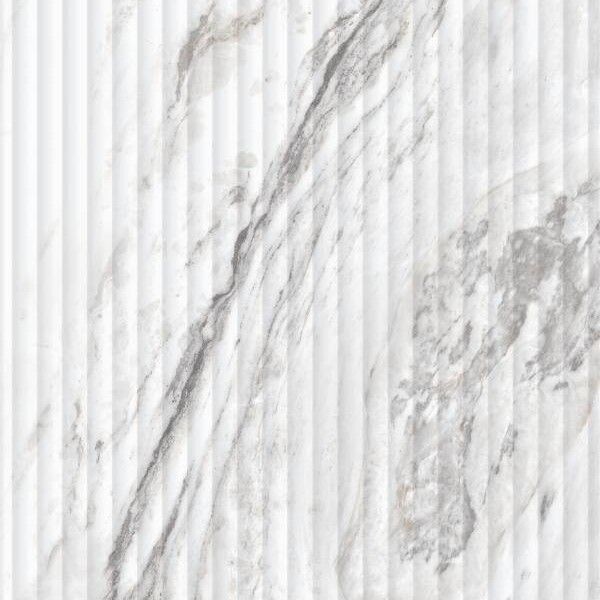
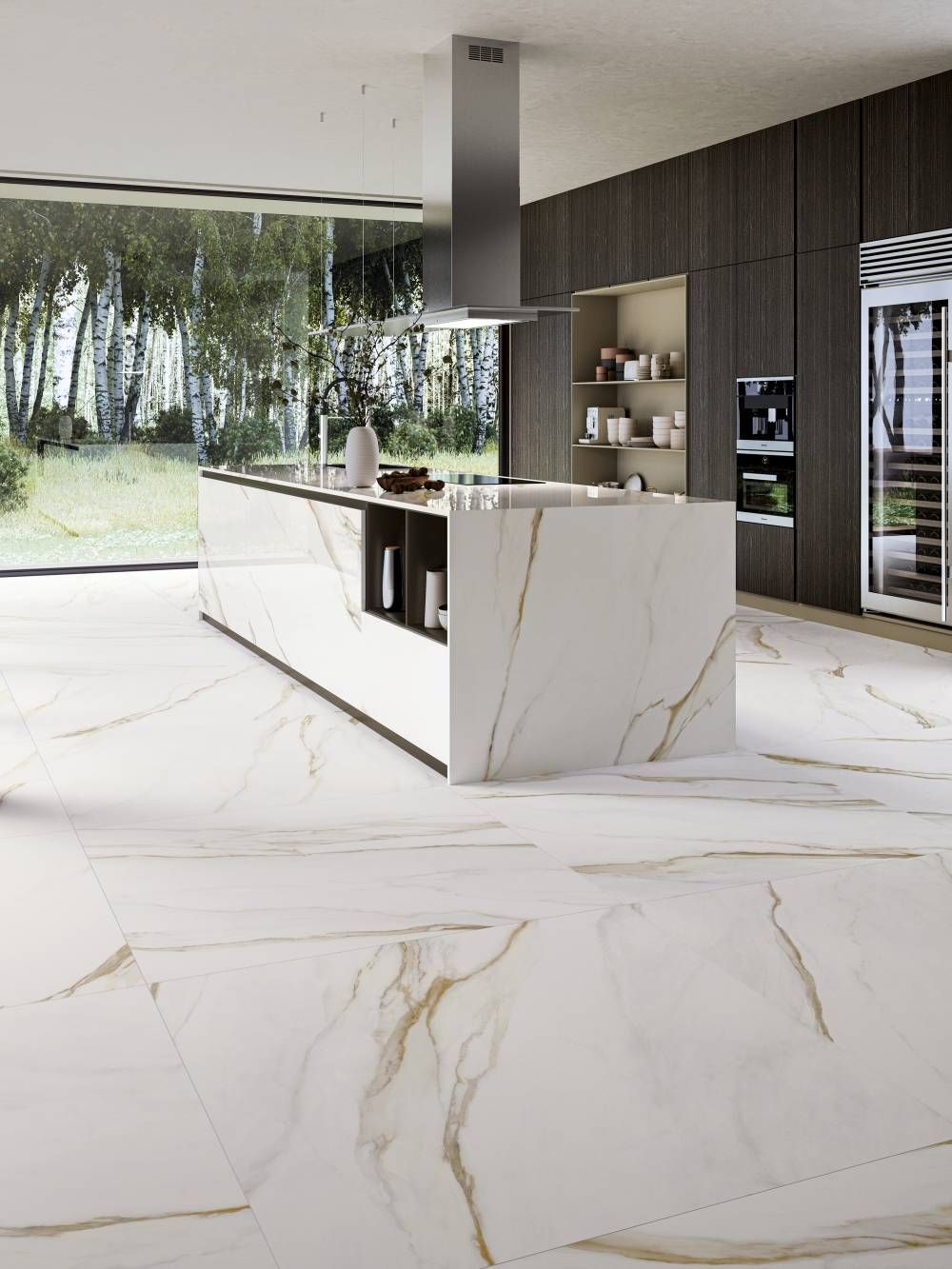
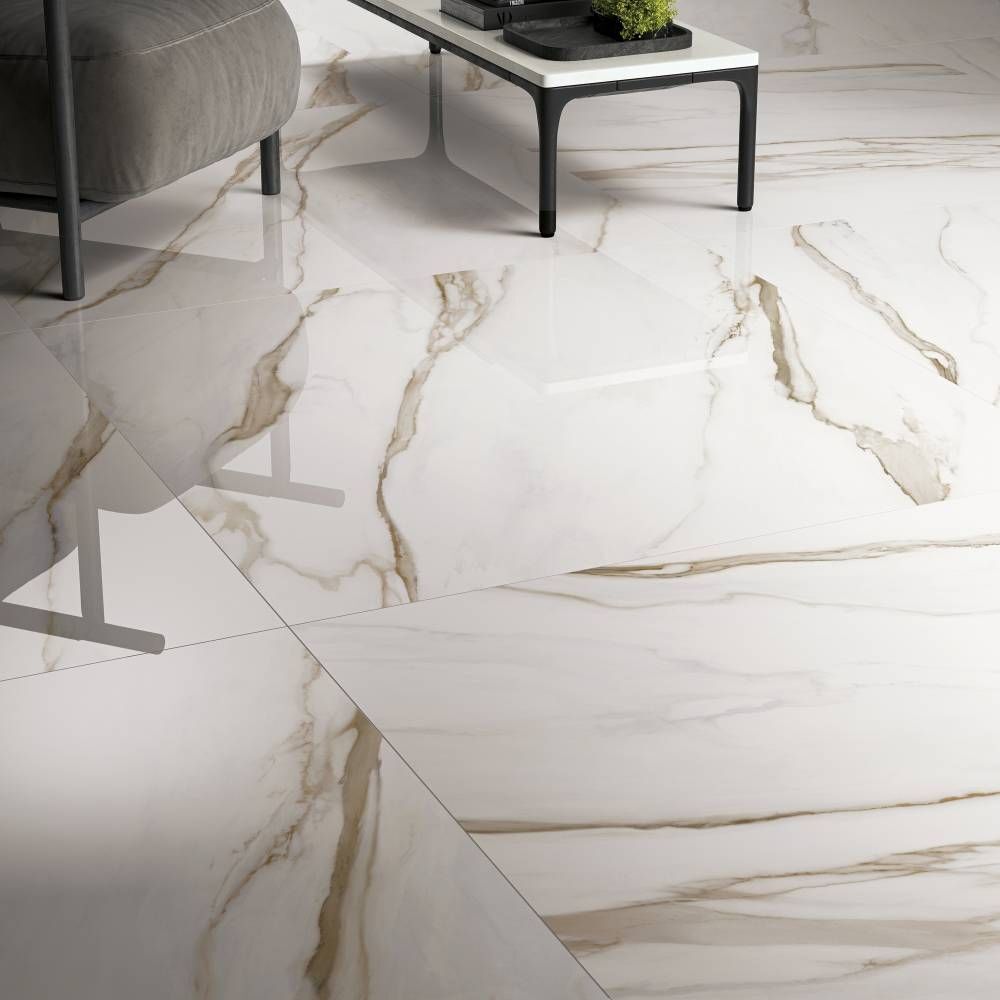
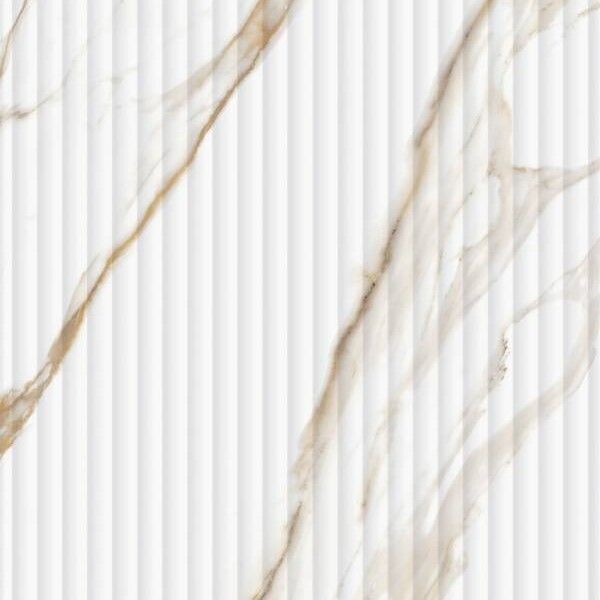
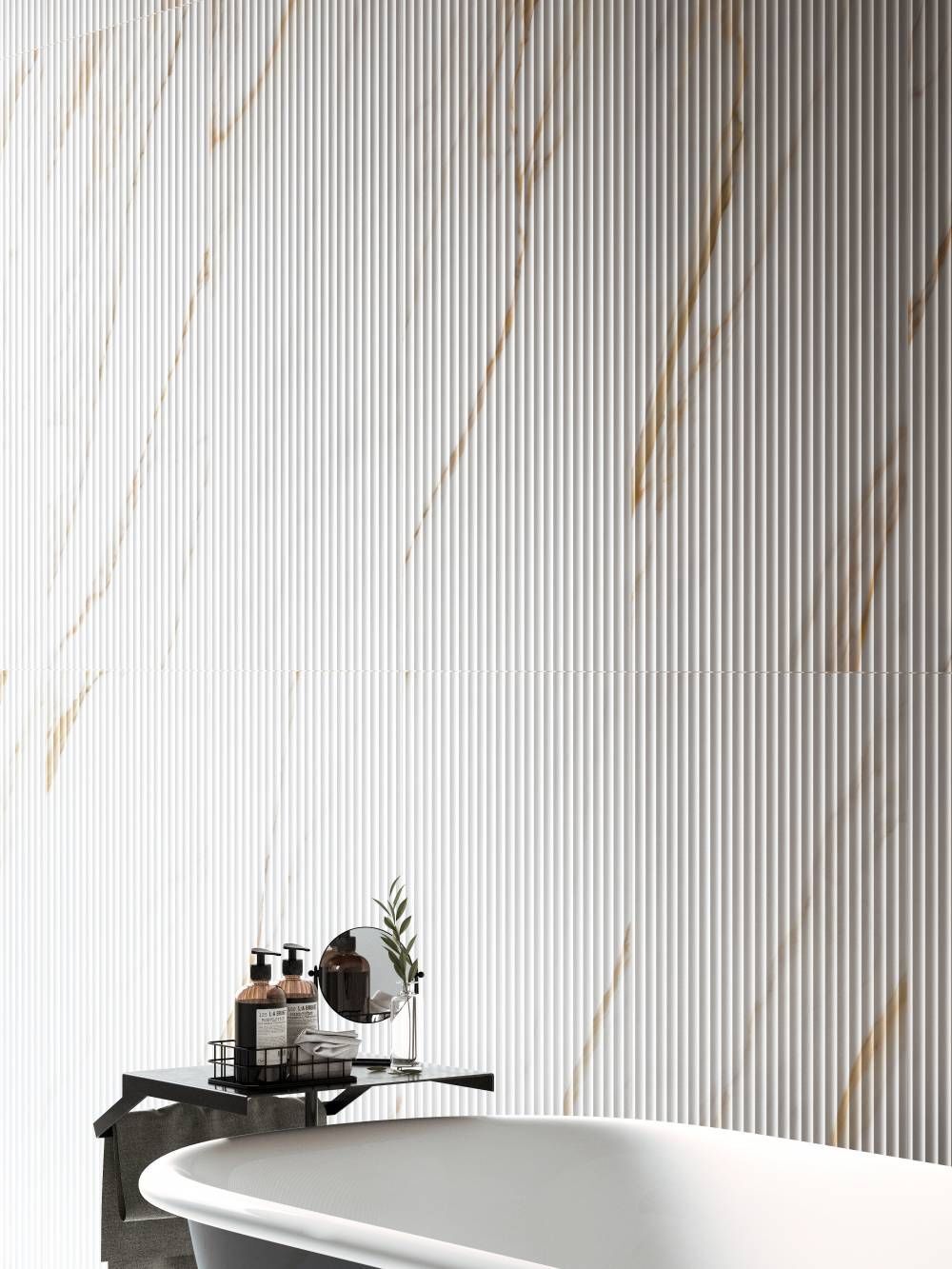
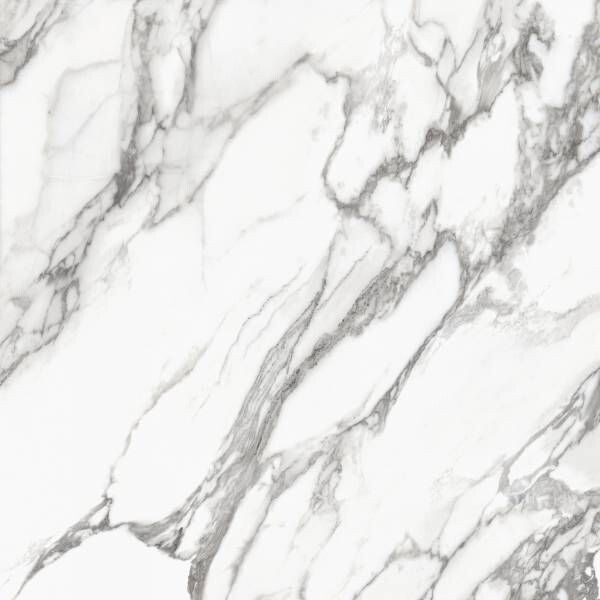
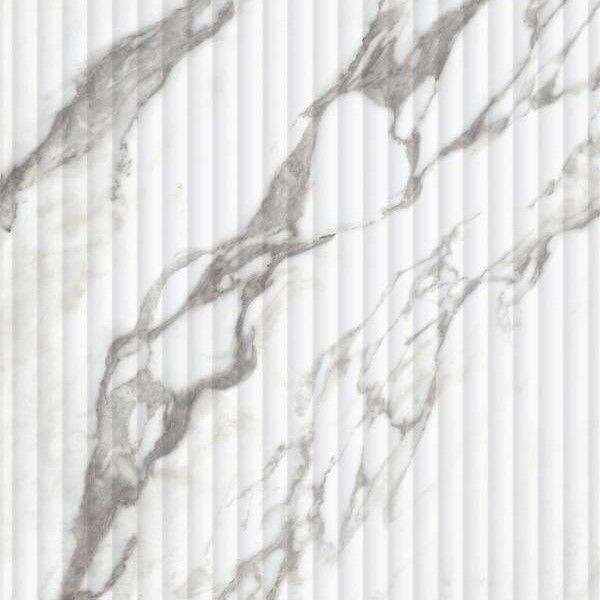
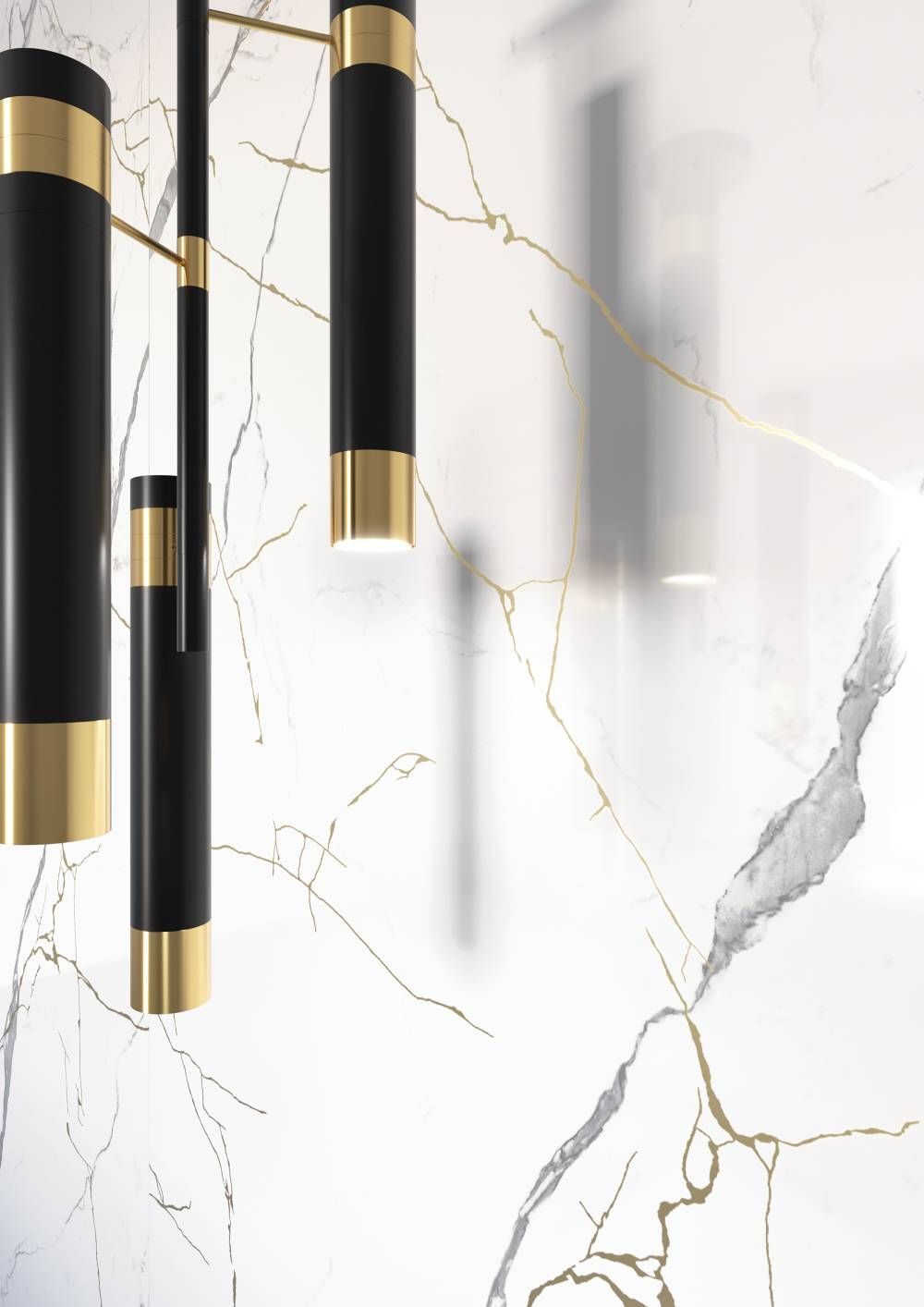
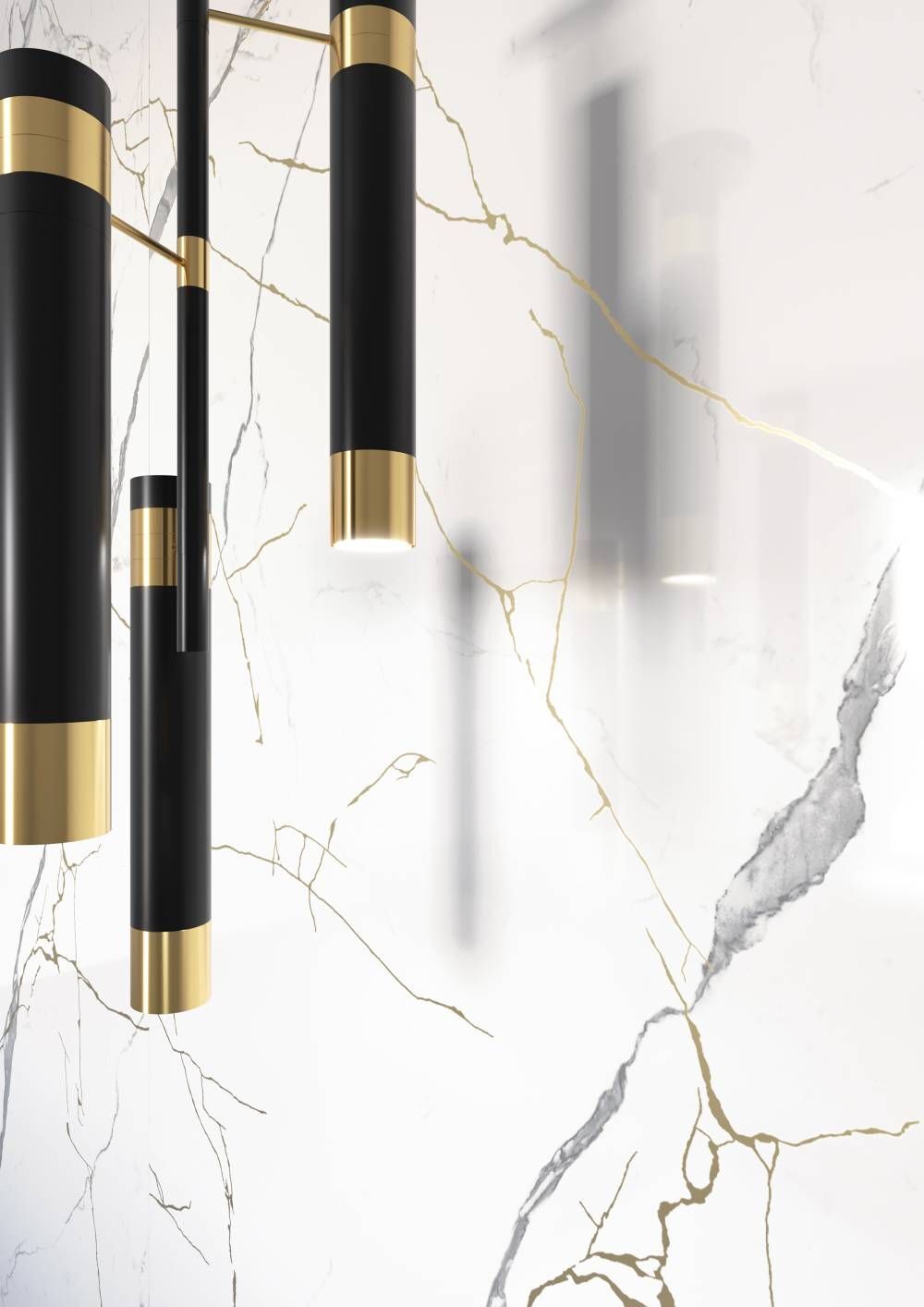
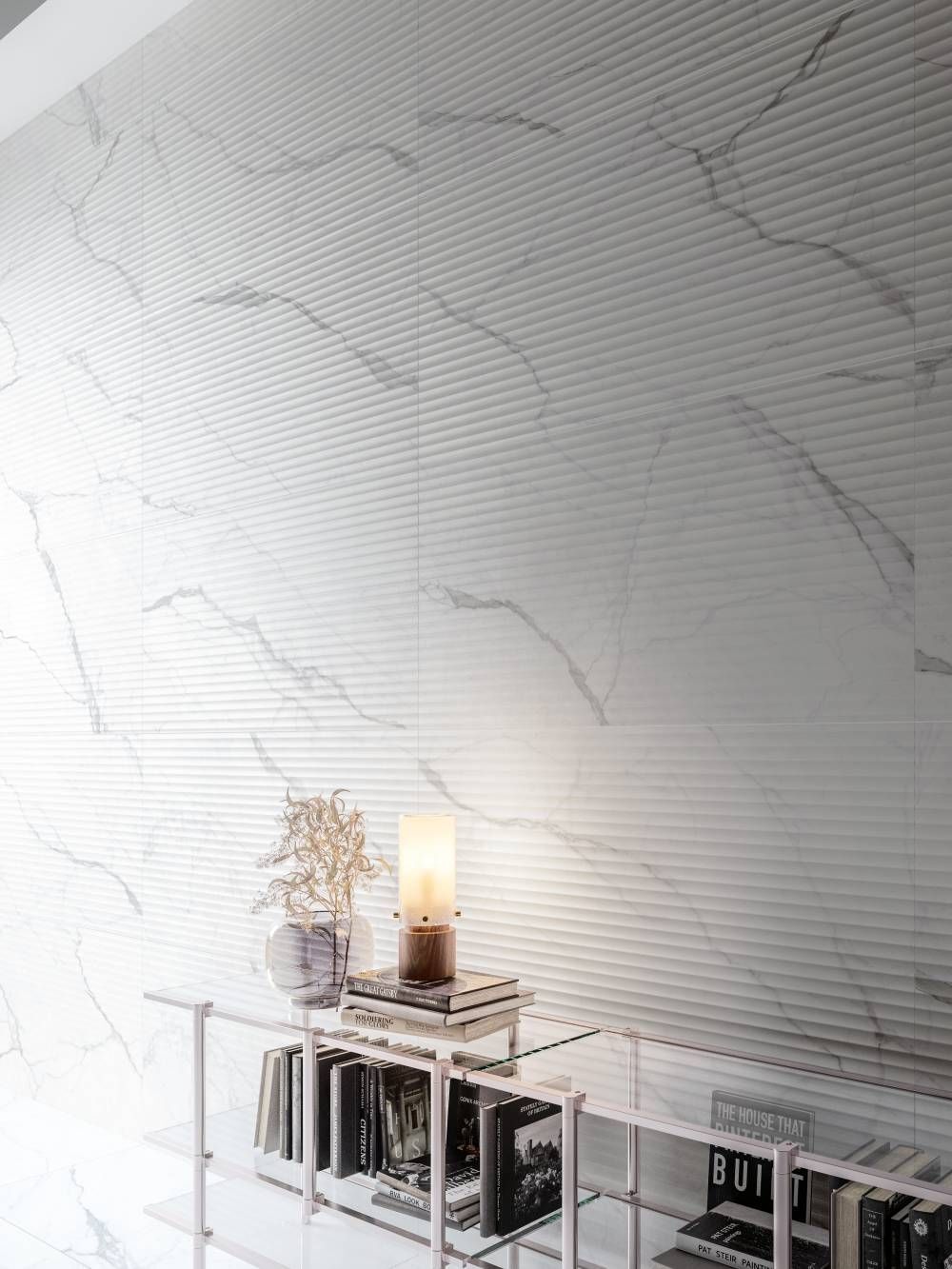
Marble-effect porcelain has evolved dramatically in recent years. Modern manufacturing techniques capture the veining, depth, and subtle colour shifts of natural stone with remarkable accuracy. Large-format tiles (600x1200mm or larger) minimise grout lines, creating that seamless, luxury look the Regency period celebrated.
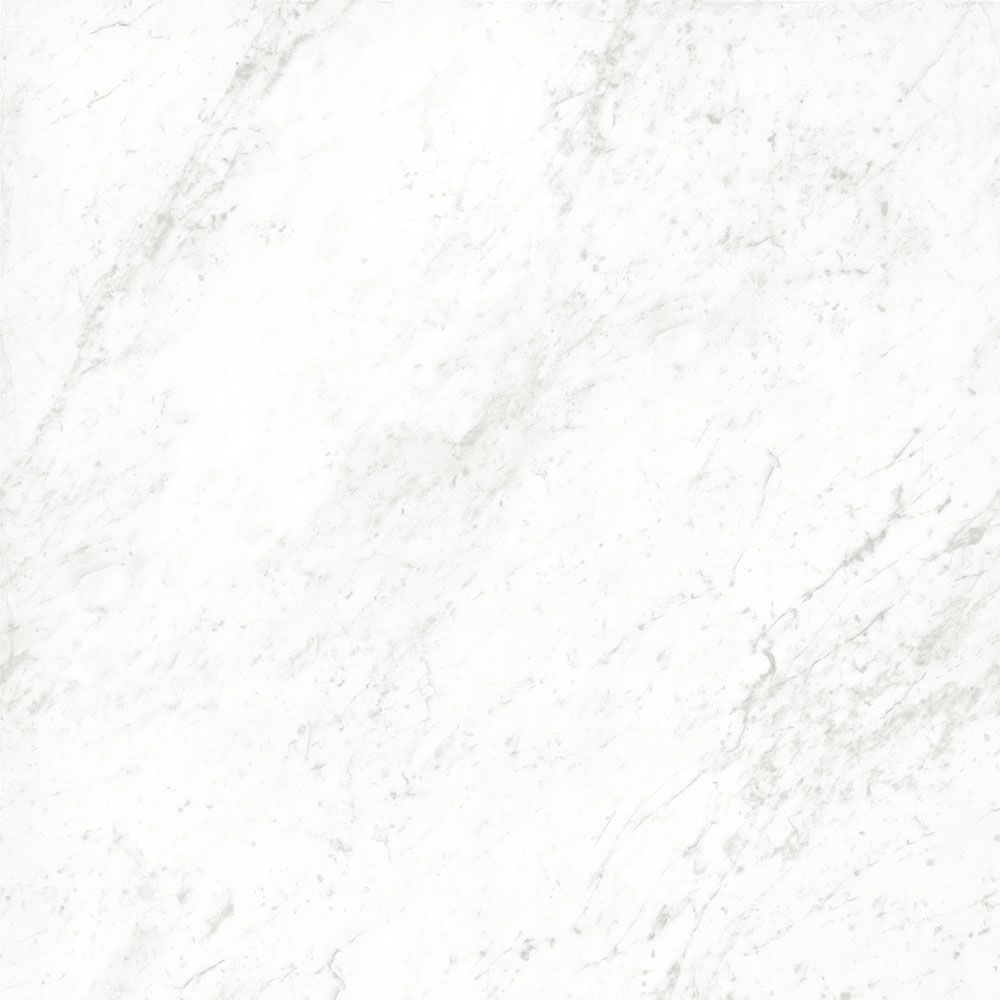
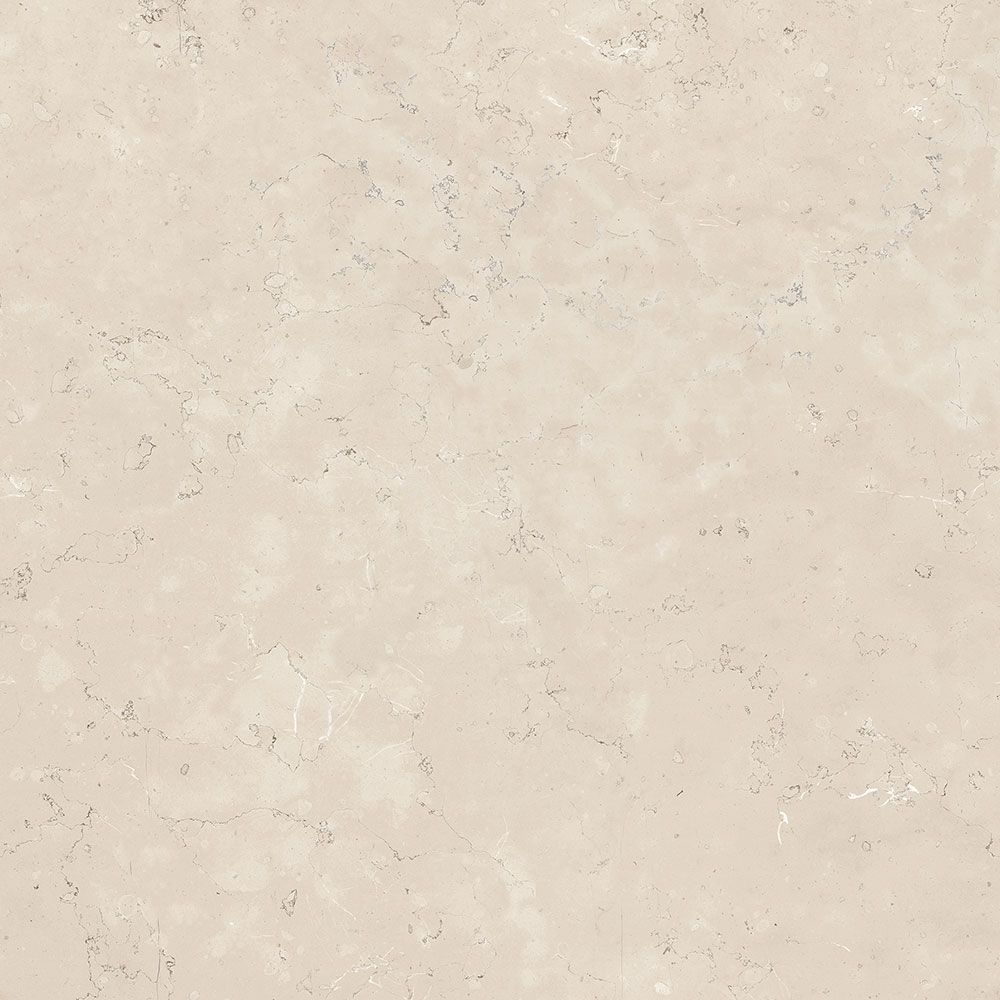
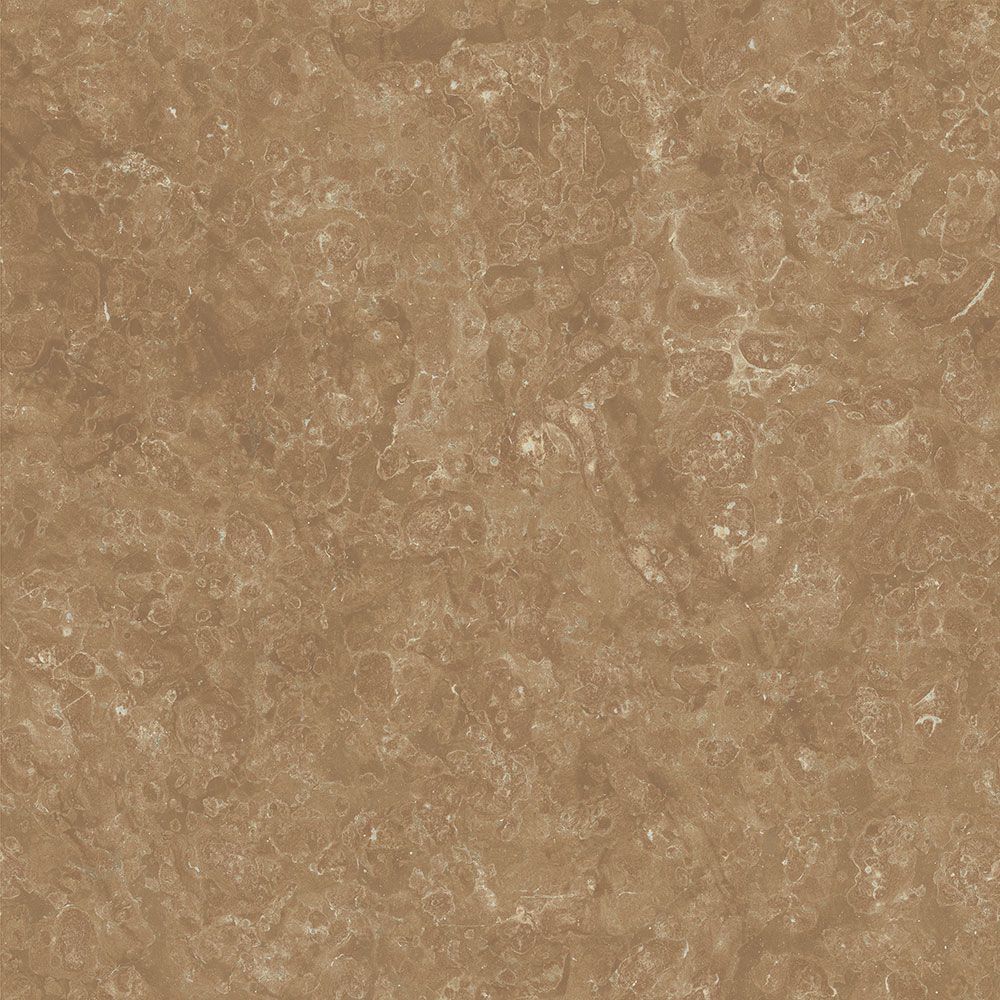
The Modern Approach: The Lucca marble-effect collection—a favourite with interior designers—offers 11 colourways from soft Carrara whites to warm Botticino creams, all with subtle natural veining that reads as authentic stone.
Available in large formats with PTV36+ anti-slip ratings, it's perfect for bathrooms and entrance halls where you want that grand Regency statement without the marble maintenance burden. Large format tiles work beautifully in open-plan spaces, while smaller formats suit more intimate rooms. Keep grout lines minimal and colour-matched for maximum impact.









Chequerboard Patterns: Bold Geometry with Heritage
The black-and-white checkerboard floor is perhaps the most iconic Regency design element. It appears in grand entrance halls, conservatories, and even kitchens, a bold statement of geometric precision that never goes out of style.
This pattern works because it's simultaneously dramatic and neutral. The high contrast creates visual interest, but the simple geometry doesn't compete with furnishings or architectural details. In Bridgerton, chequerboard floors often feature in transitional spaces—hallways, orangeries, and entrance areas, where they guide movement through the home.
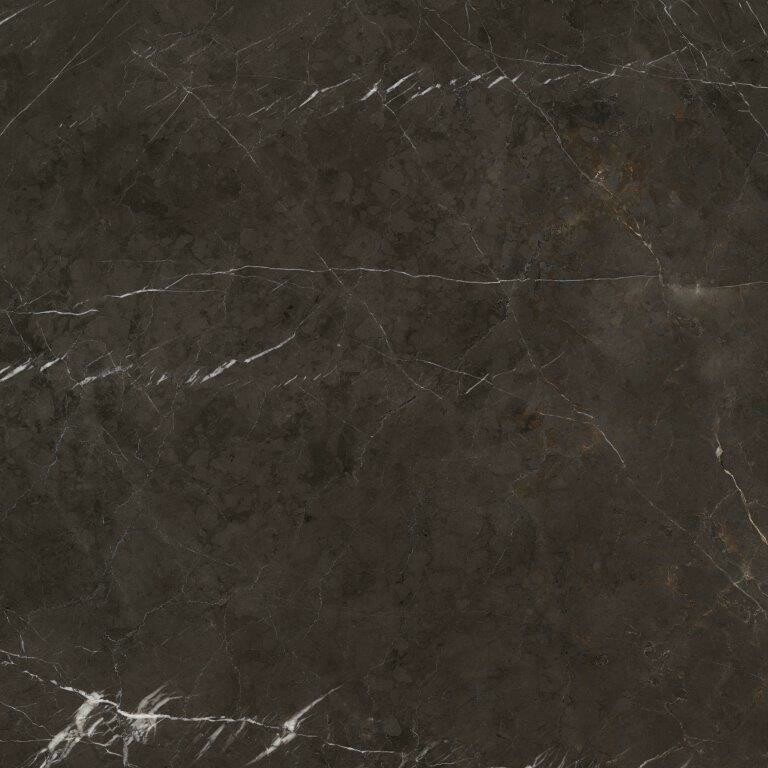
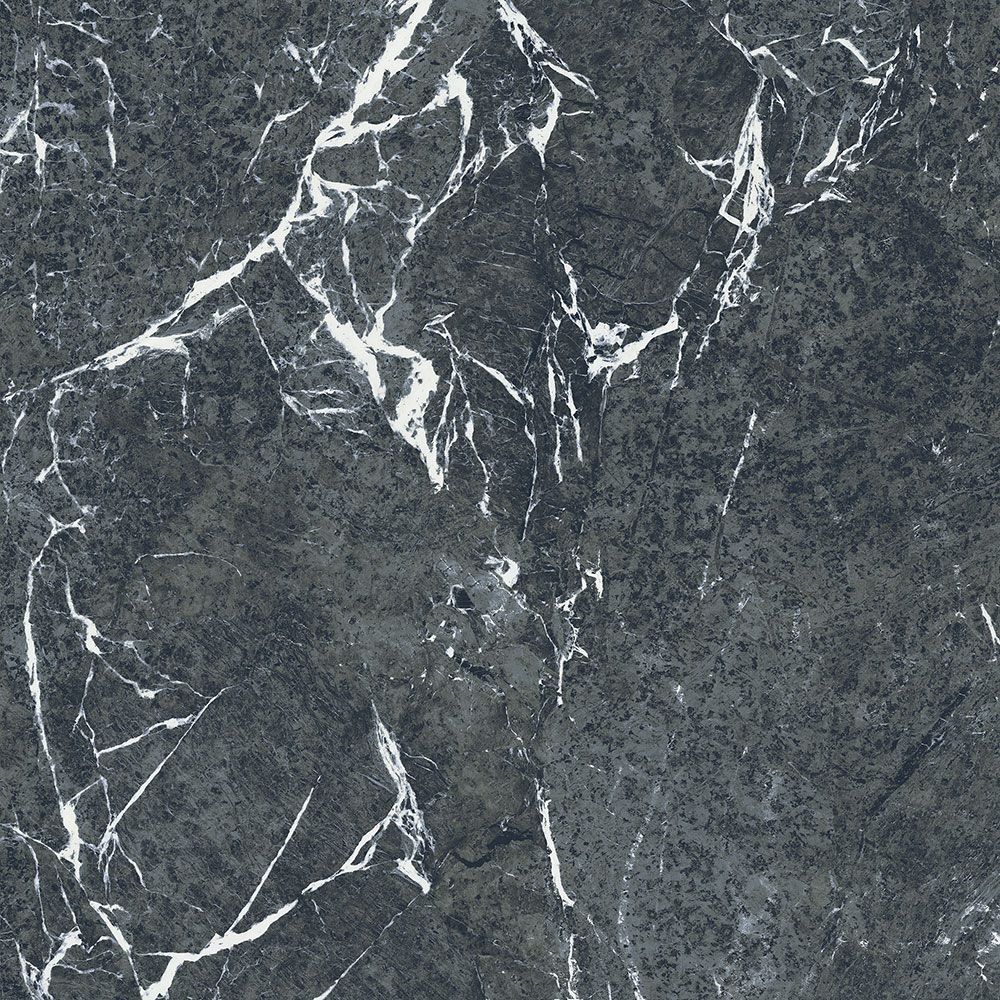
The Modern Approach: The Elegant marble collection is ideal for creating classic chequerboard layouts, pair Elegant Carrara with Elegant Marquina for that timeless black-and-white contrast, or choose Elegant Crema and Elegant Grey for a softer, more contemporary Regency feel.
Porcelain tiles allow you to achieve razor-sharp checkerboard layouts with perfect consistency. Consider scaling the pattern to suit your space, larger squares (400x400mm) work in grand entrance halls, while smaller formats (200x200mm) suit kitchens and utility rooms.

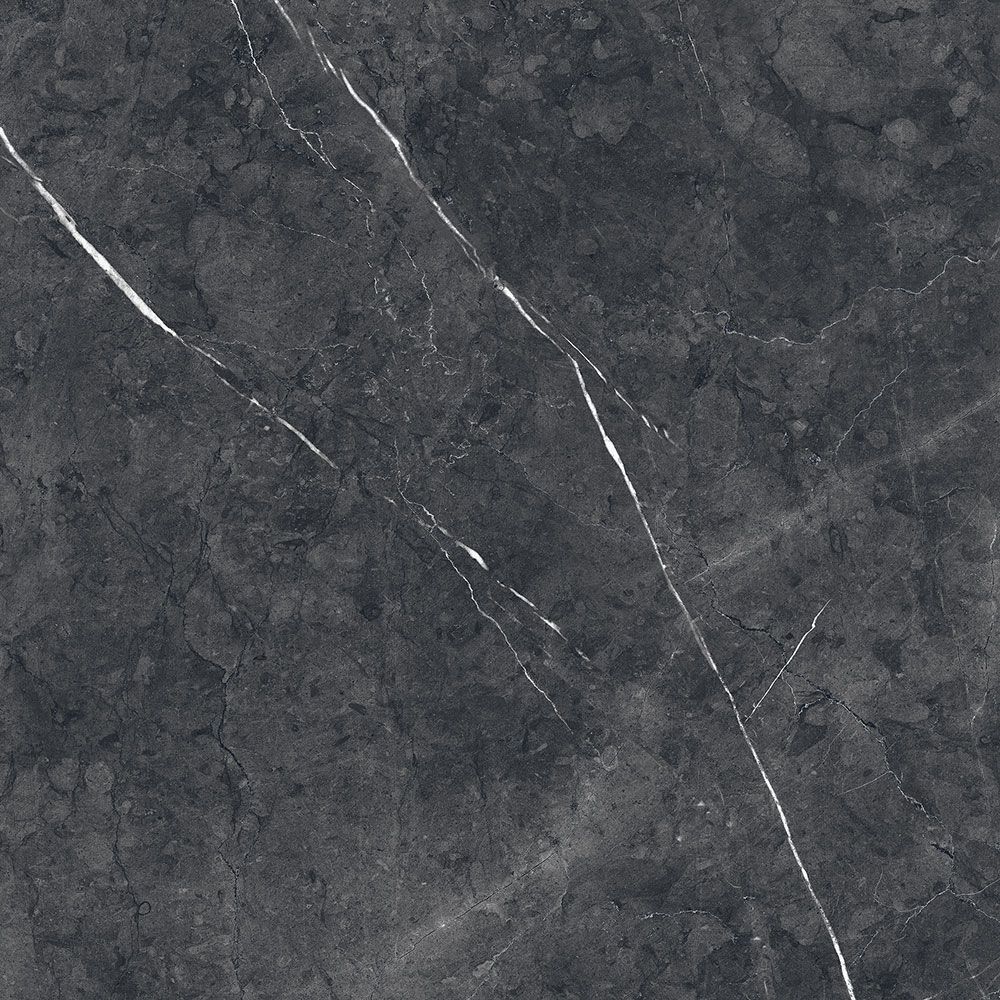

Intricate Border Details: The Finishing Touch
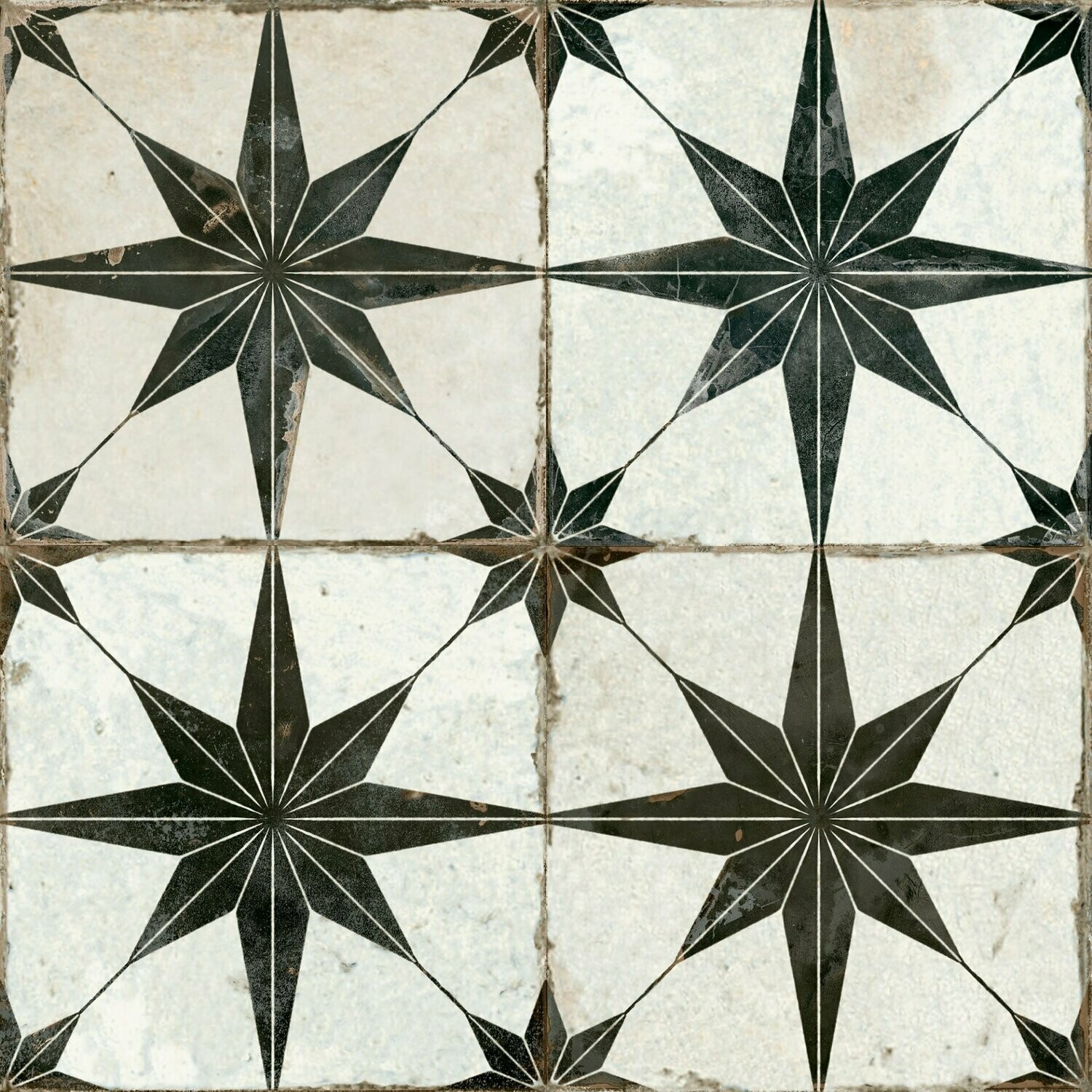
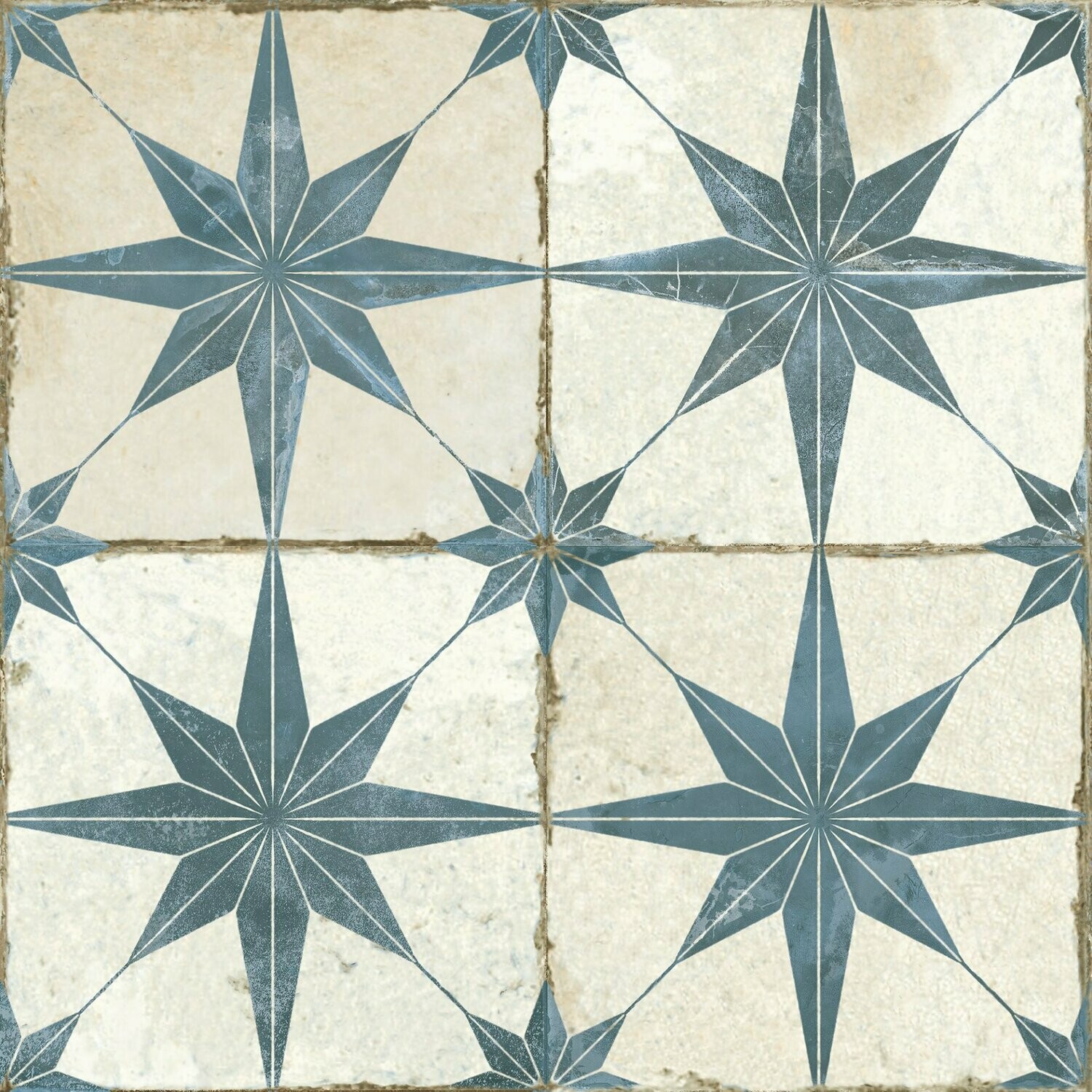
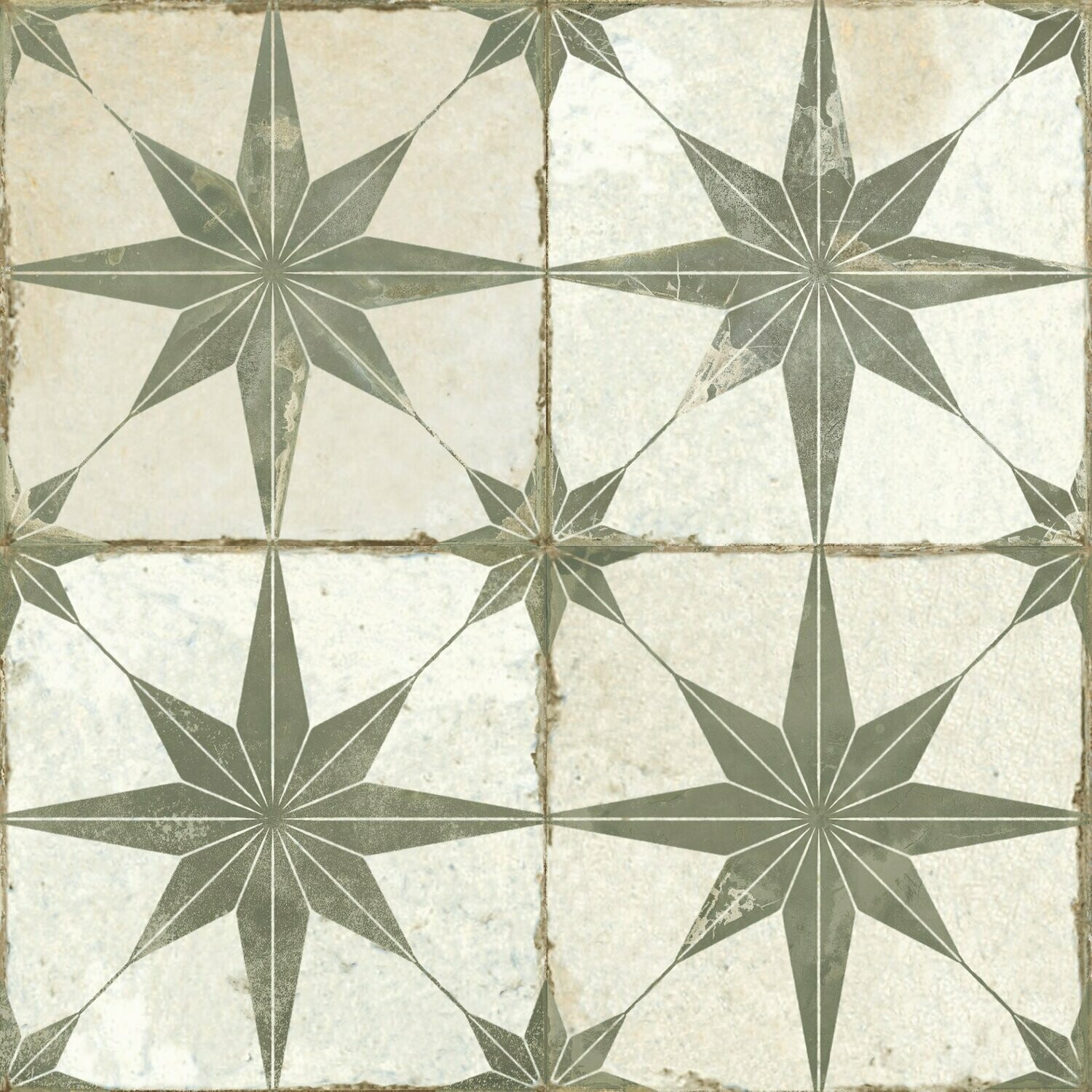
Regency interiors rarely left floors plain. Border details, corner motifs, and decorative inlays added layers of sophistication. While hand-cut marble inlays remain prohibitively expensive, modern tile ranges offer pre-designed border tiles and decorative elements that capture the same spirit.
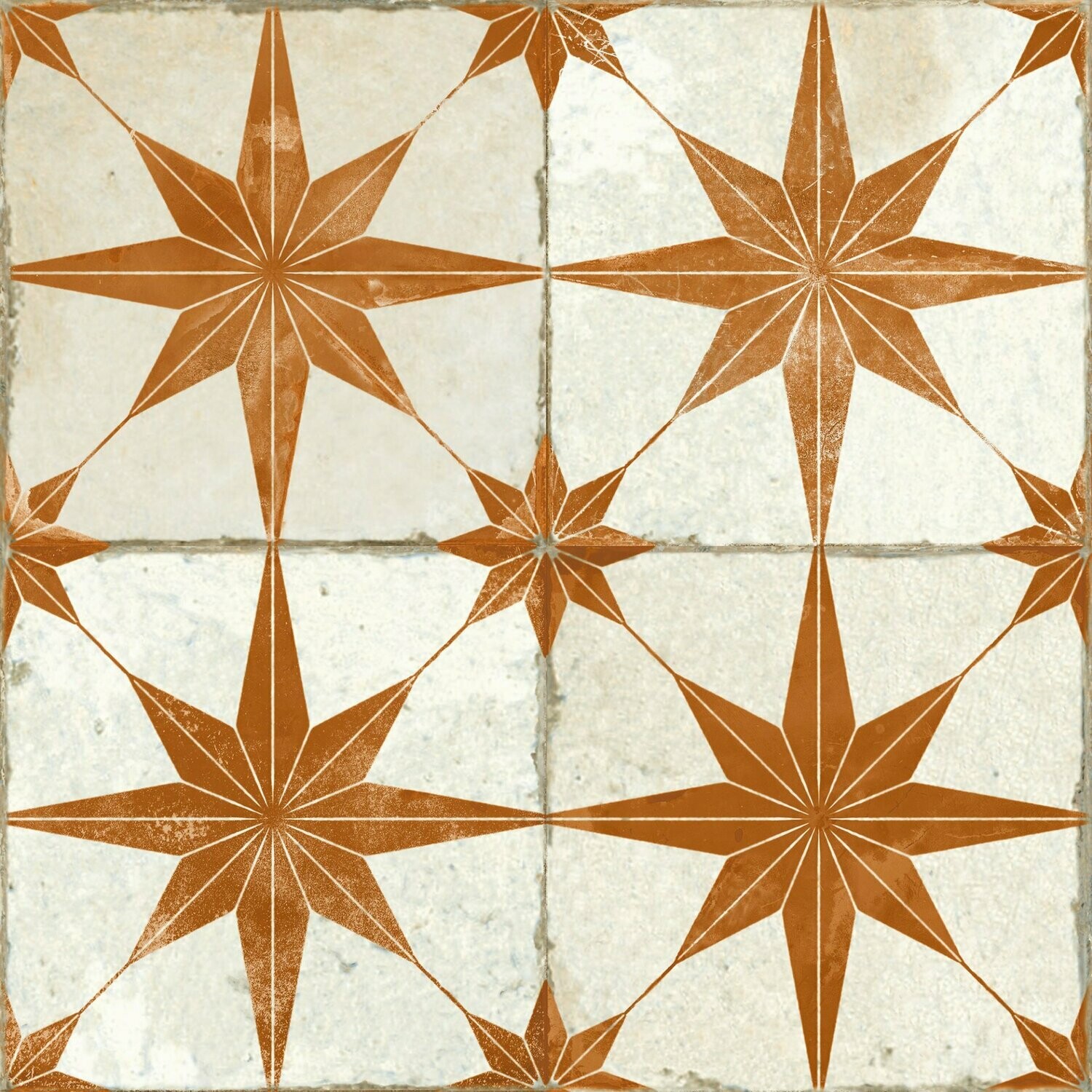
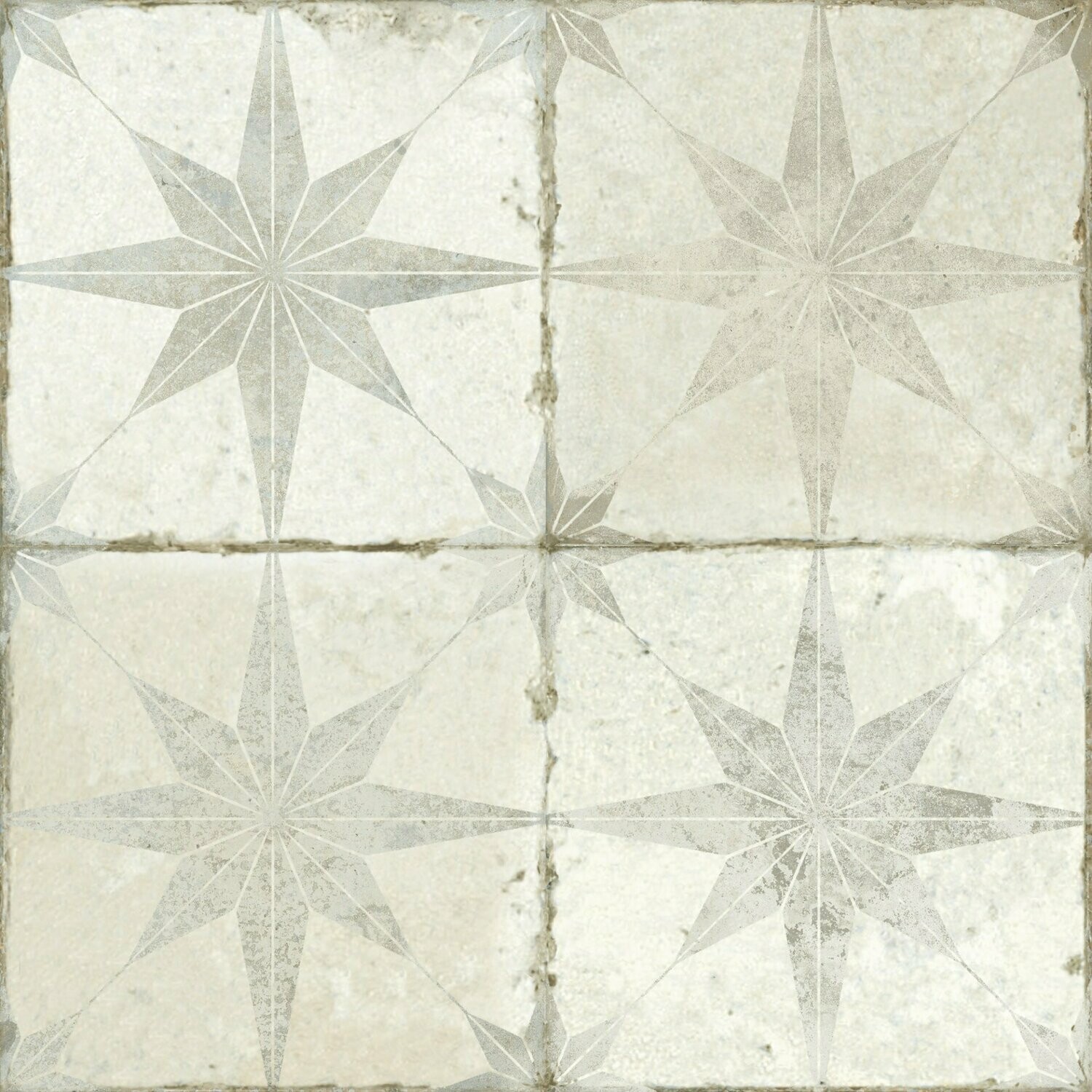
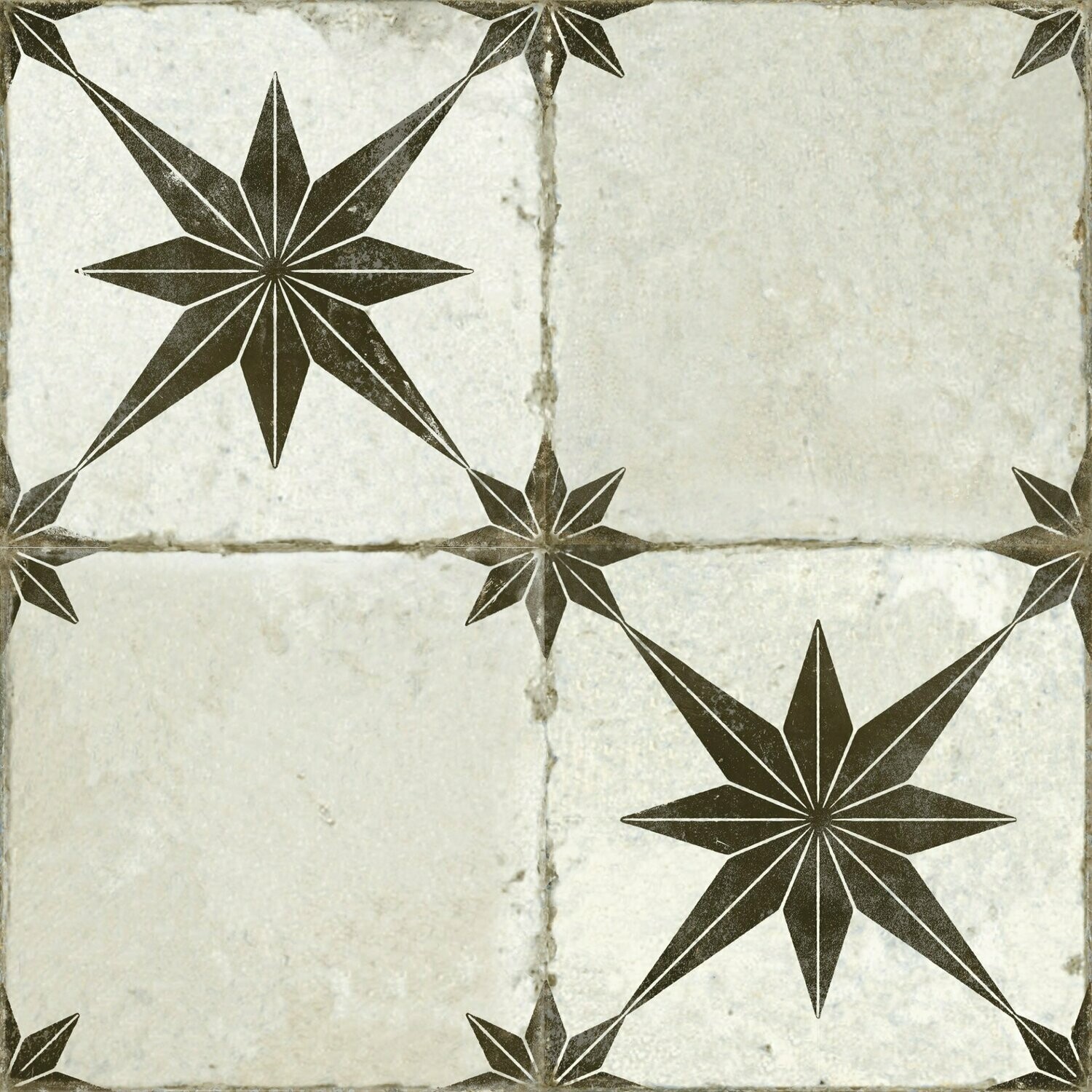
The Modern Approach: Frame your main floor area with contrasting border tiles. A simple two-tile-wide border in a complementary colour can transform a straightforward tile installation into something special. Our geometric and pattern tile ranges work beautifully as threshold details or to define zones in open-plan spaces—think delicate mosaics framing a marble floor, or decorative inserts breaking up a larger chevron pattern.

From Featherington Bright to Bridgerton Blue
Bridgerton's use of colour is bold by period drama standards, but it offers valuable lessons for contemporary interiors.
The Bridgerton Blues: Soft powder blues, duck egg, and deeper navy create serene, sophisticated spaces. Pair blue-grey tiles with brass fixtures and warm wood tones for a look that's distinctly Regency but entirely liveable.
Warm Neutrals: Cream, taupe, and soft beige tiles provide the perfect backdrop for period furniture and accessories. These tones work particularly well in marble-effect formats, creating that sense of timeless elegance. The Regal bookmatched marble range in Ivory or Beige delivers this beautifully, with mirrored veining that creates the kind of symmetrical grandeur you see in Bridgerton's finest rooms.
Unexpected Colour: The Featheringtons prove that Regency style can handle saturated colour. Sage green tiles, terracotta accents, or even deep plum can work in powder rooms or feature walls—just balance bold tile choices with neutral surroundings.

Making It Work in Modern Homes
The key to successful Regency-inspired tile design is editing. You don't need to recreate an entire Georgian townhouse—strategic use of period patterns and materials is far more effective.
Start with one statement floor. Choose your entrance hall, kitchen, or principal bathroom for a chevron, checkerboard, or marble-effect installation. Let this anchor the rest of your scheme.
Mix periods thoughtfully. Regency tiles work beautifully with mid-century furniture, industrial lighting, or contemporary art. The formality of the floor actually benefits from more relaxed furnishings.
Consider scale. Regency homes were built on a grand scale, but modern rooms are often smaller. Adjust pattern size accordingly, smaller chevrons, less ornate borders, and lighter colours help period styles work in compact spaces.
Invest in quality. Regency design is about craftsmanship and longevity. Choose high-quality porcelain with realistic surface textures and depth. The initial investment pays dividends in both aesthetics and durability.


